


Exploring Advanced Techniques in Knee Surgery and Their Benefits
A chronic knee pain or a sports-related injury often means compromising on the activities you love most. Many patients delay necessary treatment out of fear of invasive procedures, extended hospital stays, and agonizing rehabilitation phases. Modern orthopedics has fundamentally transformed this clinical experience. If you are seeking a highly skilled Knee surgeon in Delhi, you now have direct access to refined, minimally invasive techniques that prioritize immediate joint preservation and rapid mobility. These surgical advancements replace outdated hesitation with sub-millimeter precision, offering a scientifically proven pathway to regain your active lifestyle safely.

The Shift from Traditional to Advanced Knee Surgery
For decades, resolving severe knee pathology required large surgical incisions, significant muscular disruption, and extensive recovery windows. Today, advanced orthopedic technologies allow specialists to repair, reconstruct, and replace degenerated knee joints with unprecedented mechanical accuracy.
Modern surgical interventions prioritize anatomy preservation. The overarching benefits of these evolved techniques include:
● Smaller incisions: Significantly reducing the risk of post-operative infection and minimizing visible scarring.
● Tissue preservation: Actively sparing healthy bone, surrounding muscle fibers, and vital ligaments.
● Minimal blood loss: Virtually eliminating the historical need for blood transfusions during routine joint procedures.
● Faster mobility: Empowering patients to stand, bear weight, and walk safely on the exact same day of their operation.
Arthroscopy: The Minimally Invasive Gold Standard
Knee arthroscopy represents a massive technological leap in both joint preservation and sports medicine. Utilizing a high-definition fiber-optic camera and miniature surgical instruments, specialists can diagnose and correct complex internal joint injuries without exposing the entire knee cavity. This exact procedure is the definitive standard of care for treating meniscus tears, performing anterior cruciate ligament (ACL) reconstruction, and executing focal cartilage repair.
For the patient, arthroscopic techniques deliver immediate, tangible advantages:
● Day-care procedure efficiency: Most individuals are safely discharged and return home within a few hours of the operation.
● Rapid return to sports: Athletes experience optimized biological healing timelines, allowing a quicker transition back to high-impact activities.
● Reduced post-operative pain: Avoiding large muscular incisions translates to dramatically less structural trauma and pain.
● Precise internal diagnostics: High-resolution digital imaging allows the surgeon to visualize, assess, and repair micro-tears instantaneously.
Robotic-Assisted Knee Replacement
A persistent misconception regarding robotic-assisted joint replacement is that a machine operates autonomously. In clinical reality, the robotic arm acts as an intelligent, highly calibrated extension of the surgeon’s own hands. When you consult a top-tier knee replacement surgeon in Delhi, this advanced technology is used to generate a personalized 3D blueprint of your unique bone anatomy prior to making a single incision. Choosing the best knee surgeon in Delhi ensures this technology is leveraged to achieve absolute mechanical perfection during the alignment of your new implant.
The integration of robotic assistance elevates surgical outcomes through:
Customized implant positioning: The robotic software maps your specific osteology, ensuring the artificial joint fits your exact biological specifications.
Enhanced joint longevity: Perfect mechanical alignment prevents unnatural wear and friction, significantly extending the lifespan of the implant.
A more natural-feeling knee: Dynamic balancing of the surrounding soft tissues allows the joint to bend, flex, and rotate fluidly.
Targeted bone resection: The robotic boundary prevents the cutting tool from moving outside the pre-planned zone, perfectly preserving healthy surrounding bone.
Why the Right Specialist Matters
State-of-the-art medical technology provides incredible operative tools, but optimal clinical outcomes rely entirely on the diagnostic expertise and manual dexterity of the specialist commanding them. A successful, complication-free procedure requires an accurate initial diagnosis, a meticulously customized treatment strategy, and absolute mastery over modern instrumentation.
For individuals demanding top-tier sports orthopedics, joint preservation, and advanced arthroscopy, Dr. Ankit Varshney provides world-class clinical care designed specifically around athletic recovery and long-term joint health. Through detailed anatomical evaluations and evidence-based treatment plans, resources like www.delhisportsdoc.com help patients access an elevated standard of personalized orthopedic intervention. Technology facilitates the surgery, but elite surgical experience dictates the final outcome.
The Accelerated Recovery Protocol
Modern surgical execution is inherently paired with evolved rehabilitation protocols designed to drastically shorten your recovery window. The clinical focus has decisively shifted away from prolonged bed rest and toward immediate, safely guided movement.
The elements driving rapid rehabilitation include:
● Advanced pain management: Pre-emptive regional nerve blocks and modern multi-modal analgesics keep post-operative pain levels exceptionally low.
● Early mobilization: Patients are routinely guided by physiotherapists to stand and walk independently within mere hours of waking up.
● Targeted physiotherapy: Customized, progressive exercises immediately begin retraining the quadriceps and hamstrings to support the newly stabilized joint.
● Reduced hospital stays: Minimally invasive surgical methods allow the majority of joint replacement patients to discharge safely within 24 to 48 hours.
Next Steps for a Pain-Free Life
Enduring daily mechanical knee pain or stepping back from your favorite physical activities is no longer an unavoidable reality. Advanced arthroscopic methods and robotic-assisted joint techniques offer clear, clinically proven pathways to restore your mobility with minimal physical disruption. Taking proactive action early prevents progressive joint degradation and preserves a wider array of minimally invasive treatment options. Schedule a comprehensive assessment with a dedicated orthopedic specialist to evaluate your joint health and explore the precise solutions available to restore your quality of life.
Frequently Asked Questions
Am I too old for robotic knee replacement?
Age is rarely the primary determining factor; your overall cardiovascular health and bone density dictate surgical eligibility. Robotic assistance actually benefits older adults heavily by minimizing soft tissue trauma and accelerating the healing process.
How long does it take to walk after robotic knee surgery?
Under modern accelerated recovery protocols, patients are assisted to stand and take their first steps within a few hours of the operation. Independent walking with minimal support typically begins within a matter of days.
Does knee arthroscopy leave large visible scars?
No. Arthroscopic surgery relies on extremely small, precise incisions, often described by surgeons as “keyholes.” These localized incisions typically heal into tiny, nearly invisible marks over time.
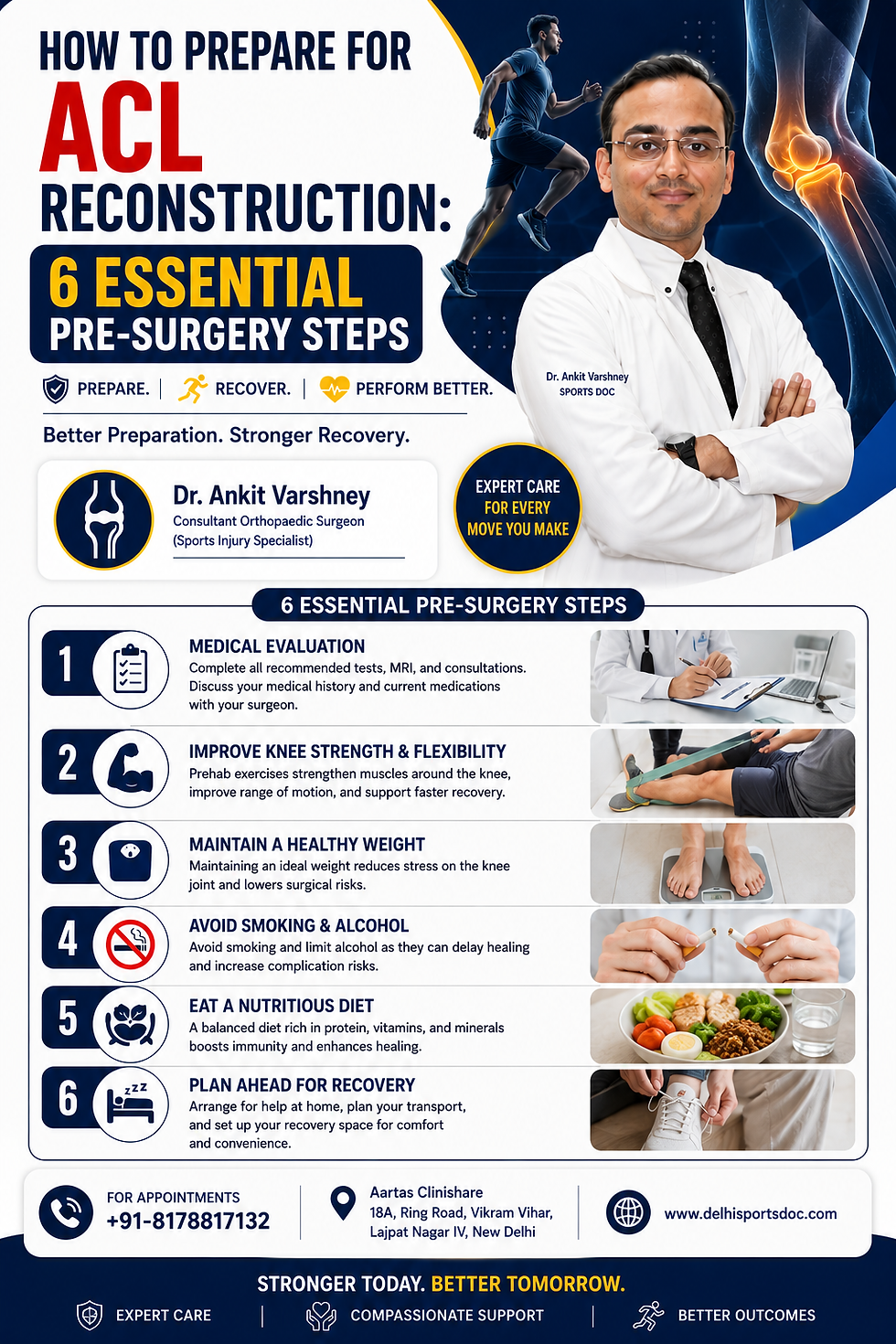
How soon can I return to sports after ACL reconstruction?
Return-to-sport timelines vary based on your biology and the sport’s demands, but most athletes begin light jogging around the three-month mark. Full clinical clearance for high-impact, pivoting sports generally occurs between six and nine months with dedicated, aggressive physiotherapy.


Comments